All Categories
Featured
Table of Contents
Oct 2019 Walid Majdalani, Head of Investcorp Private Equity MENA organization, outlines the appealing opportunities of buying GCC Infrastructure, driven by the region's growth and federal government efforts.
Diversity is accomplish a balanced economy,, Diversity visions and techniques exist. The general International EDI is made up of tracking.
Why Green Compliance Is No Longer Optional for Gulf FirmsFor non-diversified countries, when price of the commodity falls, there is a considerable decrease in federal government revenue, public spending, existing account balance and worldwide reserves: more volatility. The (including major commodity exporters, not limited to simply oil) over the, throughout 25 indicators (including 3 digital indicators). The United States And Canada, Western Europe and East Asia Pacific countries top EDI scores for many years.
Although structural reforms and diversification efforts carried out by the GCC impacted MENA's regional ratings positively, it still lags 5 other local groups., with the top 10 nations having less than a 10-point difference in scores (suggesting the strength of diversification)., alongside four upper-middle earnings (China, Mexico, Turkey and Thailand) and one lower middle-income nation (India, ranked 20th, driven by its services export boom).
Among the e. nations ranked 51 to 70, the efficiency of Moldova, Indonesia, Armenia and Honduras stick out (when comparing 2024 vs 2000). years, offered sped up diversity plans of many oil-exporting countries. posted a steady enhancement due to a mix of minimized reliance on fuel exports, minimized exports concentration and a modification in the structure of exports.
Impact of FDI on Regional Economic Transformation
with oil exporters having the most affordable ratings (though specific country-specific performance has varied over time). Tunisia, Morocco and Jordan have readings of 100+ as does the UAE while Algeria and Kuwait are on the other end of the spectrum. Throughout all areas, the median score is the for both 2000 and 2024, and the greatest in The United States and Canada.
In 2024, the (China was amongst the leading ranked, while Mongolia's rating aggravated compared to 2000)., however more to do with a "levelling up" at the bottom rather than an enhancement amongst the leading nations. By comparing the (height of the blue box), least variability is seen in South Asia in 2000 and the most in the MENA region (with variance likely driven by the dichotomy within the region in between the resource-heavy states (e.g.
Sub-Saharan African nations represent around one-third of the overall, followed by Latin America and the Middle East (the latter 2 together accounting for over 40% of the overall). Consisting of, there has been an (from 90.3 in 2000-04 to 92.6 and 92.3 in the five years pre- and post-pandemic ).
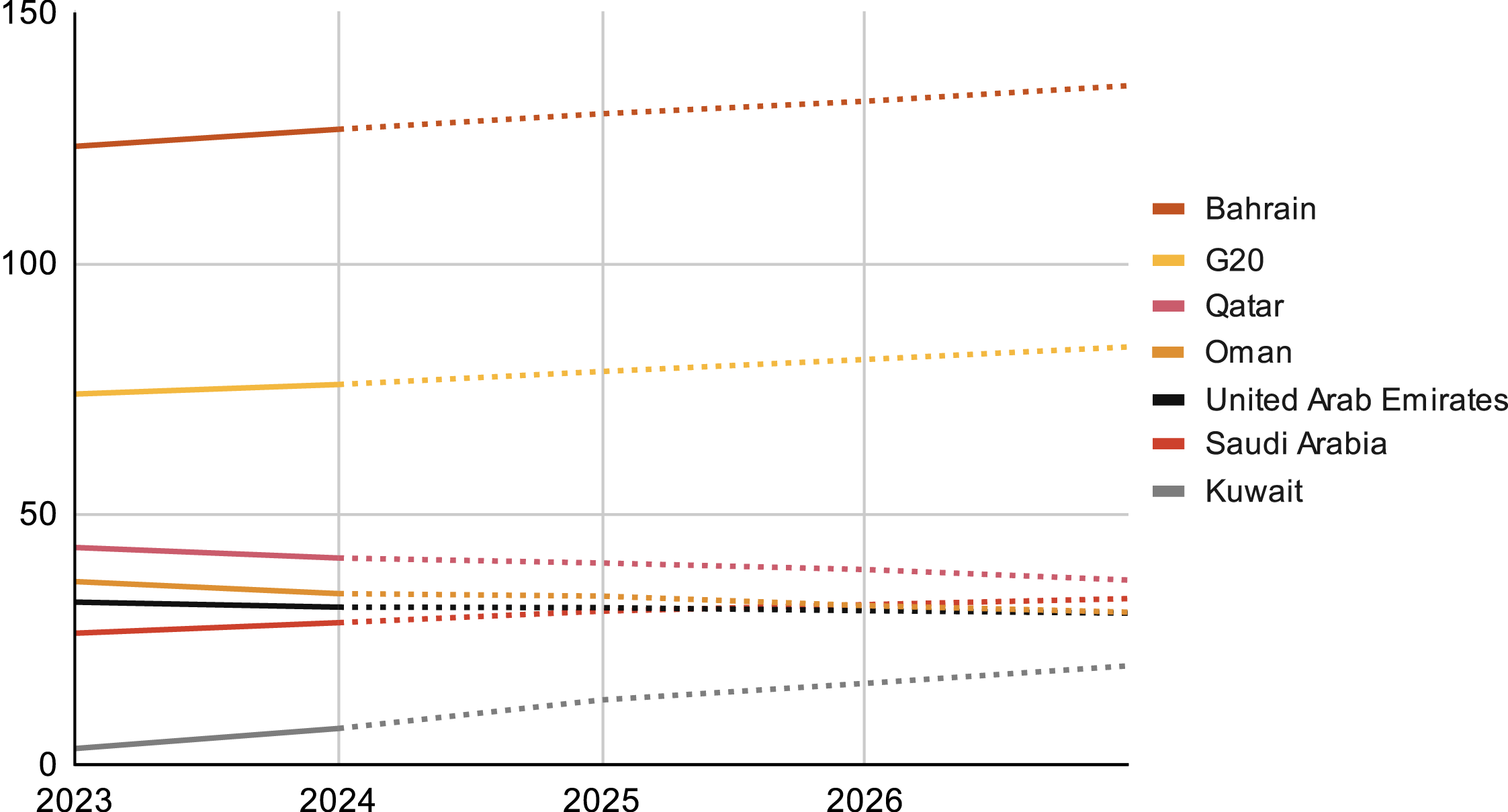
and ranked higher than others; UAE is up more than 45 places in 2024 compared to 2000 while Qatar climbed 24; both Saudi Arabia and Oman rose 17 ranks throughout the duration. The caught or even worse off nations are some parts of Latin America and Sub-Saharan Africa where structural transformation has stalled.
reveals a significant boost in average EDI scores from 86.8 in 2000-04 to 92.6 in 2020-24, (up more than 10 points in the initial duration versus 2020-24). with UAE outperforming in the trade sub-index (supported by current bilateral trade agreements & non-oil exports push). vs its pre-pandemic reading (partially given the surge in medium & high-tech production information).
How Industrial Expansion Drives Middle East Growth in 2026
Its diversification metrics have actually stagnated, revealing the least enhancement between the preliminary (2000-04) and last (2020-24) reference periods., regardless of the headwinds of OPEC+ production cuts. A robust non-hydrocarbon expansion was supported by the GCC's robust domestic need (supported by a strong job pipeline and implementation) and strong services sector efficiency.
Kuwait and Saudi Arabia clocked in a boost in non-hydrocarbon income, "mostly showing non-hydrocarbon tax base expansions and revenue collection effectiveness enhancements", according to the IMF. In the present geopolitical environment defined by heightening, it is in the very best interests of commodity dependent countries to diversify its export base, exports and trade partners.
Sub-Saharan African nations represent around one-third of the total, followed by Latin America and the Middle East (the latter two together representing over 40% of the overall). Consisting of, there has been an (from 90.3 in 2000-04 to 92.6 and 92.3 in the 5 years pre- and post-pandemic ).
and ranked higher than others; UAE is up more than 45 locations in 2024 compared to 2000 while Qatar climbed up 24; both Saudi Arabia and Oman rose 17 ranks during the duration. The caught or even worse off nations are some parts of Latin America and Sub-Saharan Africa where structural transformation has stalled.
Key Drivers Shaping Gulf Market Forecasts by 2026
reveals a significant increase in typical EDI ratings from 86.8 in 2000-04 to 92.6 in 2020-24, (up more than 10 points in the preliminary period versus 2020-24). with UAE outshining in the trade sub-index (supported by current bilateral trade contracts & non-oil exports push). vs its pre-pandemic reading (partially given the surge in medium & state-of-the-art production information).
Its diversity metrics have stagnated, revealing the least improvement in between the preliminary (2000-04) and final (2020-24) reference periods., despite the headwinds of OPEC+ production cuts. A robust non-hydrocarbon growth was supported by the GCC's robust domestic demand (supported by a strong job pipeline and application) and strong services sector performance.
Why Green Compliance Is No Longer Optional for Gulf FirmsKuwait and Saudi Arabia clocked in a boost in non-hydrocarbon earnings, "mostly reflecting non-hydrocarbon tax base growths and profits collection performance enhancements", according to the IMF. In the current geopolitical environment characterized by intensifying, it is in the very best interests of commodity reliant countries to diversify its export base, exports and trade partners.

Latest Posts
Top Foreign Investment Trends within the Middle East Market
The 2026 Investment Landscape of the GCC
Optimizing Investment Strategies for Next-Gen GCC Economy